
Head Mind Body integrates mindfulness, movement and meditation practices to help you relax your head, observe your mind, and reconnect with your body.
Training in compassion and awareness improves focus, cultivates emotional regulation, and fosters resilience. It is a gentle way of waking up.
I’m Amy Head, a certified mindfulness instructor and ADHD coach with over twenty years of experience studying and teaching meditation internationally. My two decades working with Tibetan and Himalayan communities inspired my efforts to share mindfulness and compassion in accessible and practical ways. That translated into training in certification for a practical approach to working with clients from parents, adults, teens, and corporate board members, to cultivate greater awareness, emotional intelligence and resilience. My techniques combine practical science based methods and contemplative practices.
Looking to improve your personal well-being, seeking to enhance your meditation practice, or just curious about all the hype? Try a class, a coaching sesson, or bring a training to your school or organization.
“Your teaching style and the way you presented the concepts made learning easy and enjoyable. ”
“Amy creates a supportive and inclusive environment where children can share their experiences and feelings with each other through through innovative & engaging group discussions that promote empathy, compassion & a sense of community. ”
“Learning to be present in the moment, led to a sense of ease that was palpable and refreshing.”
“We know that mindfulness skills help kids who have experienced trauma or who have anxiety, depression or ADHD.”
-Nikki Rose, licensed clinical social worker, Mayo Clinic Center for Safe and Healthy Children and Adolescents
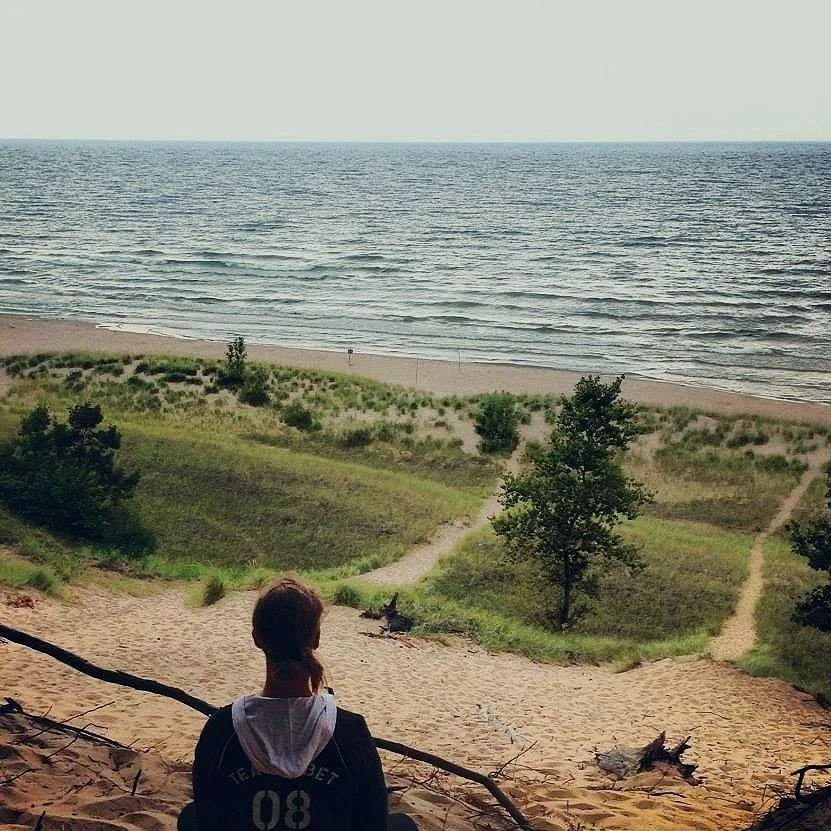
I bring a practical, compassionate, and secular approach to developing awareness and emotional well-being. My work is informed by traditional meditation practices, neuroscience, and the latest research.
My work spans non-profit organizations, universities, HR departments, community centers, and schools, both locally and internationally.
“When we are aware of what is happening in the moment, we can make a choice to offer ourselves and others compassion instead of judgement.”

Learn practical ways to integrate mindfulness into your daily life, empowering you to cultivate a greater sense of presence and well-being.
*
Learn practical ways to integrate mindfulness into your daily life, empowering you to cultivate a greater sense of presence and well-being. *
Supporting personal wellbeing through practices rooted in compassion for self and others.
I believe that a daily mindfulness practice can be done in bite size pieces, which makes it easier to jump start a habit that has been proven over and over again to be a beneficial way to combat stress and cultivate a greater sense of wellbeing.
“Meditation is called a practice for a reason. Over time meditation can help you become more familiar with your mind and body which opens a path to becoming more aware. This awareness gives you the freedom to move from reacting, to responding.”
“
FAQs
-
The classic definition of mindfulness is paying attention, on purpose without judgement. (Jon Kabott-Zinn)
-
Social and emotional learning (SEL) is an integral part of education and human development. SEL is the process through which all young people and adults acquire and apply the knowledge, skills, and attitudes to develop healthy identities, manage emotions and achieve personal and collective goals, feel and show empathy for others, establish and maintain supportive relationships, and make responsible and caring decisions.
SEL advances educational equity and excellence through authentic school-family-community partnerships to establish learning environments and experiences that feature trusting and collaborative relationships, rigorous and meaningful curriculum and instruction, and ongoing evaluation. SEL can help address various forms of inequity and empower young people and adults to co-create thriving schools and contribute to safe, healthy, and just communities. (from CASEL)
-
Integrating mindfulness into daily life encourages a healthier, more balanced approach to challenges & opportunities.
-
Let’s set up a free intro session to talk about your needs and to try some very short practices.